google.com, pub-1946644689891759, DIRECT, f08c47fec0942fa0 FLUX OF THOUGHTS

Sunday, June 9, 2024

Gurbani Shabad gives confidence and strength

Words: Nanak don't worry

Raga: Ramkali


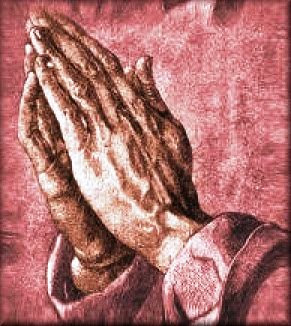
Written by Guru Angad Dev Ji and is on page 955 of Sri Guru Granth Sahib Ji. This Shabad gives confidence and strength and removes doubt and fear. Meditate on this Shabad or recite it 11 times a day to experience its effects.


ਨਾਨਕ ਚਿੰਤਾ ਮਤਿ ਕਰਹੁ ਚਿੰਤਾ ਤਿਸ ਹੀ ਹੇਇ ॥

ਜਲ ਮਹਿ ਜੰਤ ਉਪਾਇਅਨੁ ਤਿਨਾ ਭਿ ਰੋਜੀ ਦੇਇ ॥

ਓਥੈ ਹਟੁ ਨ ਚਲਈ ਨਾ ਕੋ ਕਿਰਸ ਕਰੇਇ ॥

ਸਉਦਾ ਮੂਲਿ ਨ ਹੋਵਈ ਨਾ ਕੋ ਲਏ ਨ ਦੇਇ ॥

ਜੀਆ ਕਾ ਆਹਾਰੁ ਜੀਅ ਖਾਣਾ ਏਹੁ ਕਰੇਇ ॥

ਵਿਚਿ ਉਪਾਏ ਸਾਇਰਾ ਤਿਨਾ ਭਿ ਸਾਰ ਕਰੇਇ ॥

ਨਾਨਕ ਚਿੰਤਾ ਮਤ ਕਰਹੁ ਚਿੰਤਾ ਤਿਸ ਹੀ ਹੇਇ ॥੧॥


Don't worry, Nanak; the Lord will take care of you.

He created the creatures in water and provides them with sustenance.

There are no shops open, and no one farms there.

No business is ever conducted there, and no one buys or sells.

Animals consume other animals because that is what the Lord has given them as sustenance.

He formed them in the waters and continues to provide for them.

Don't worry, Nanak; the Lord will take care of you. ||1||


नानक चिंता मत करहु चिंता तिस ही है।

हे नानक, चिंता मत करो, क्योंकि चिंता केवल उसे (ईश्वर) को है।

जल में जंत उपाईअन तिना भी रोज़ी दे-ए।

जल में ईश्वर ने जीवों को पैदा किया है, और वह उनकी रोज़ी (जीविका) भी देता है।

ओथै हाट न चलेई ना को किरास कर-ए।

वहां कोई बाजार नहीं चलता, और न ही कोई खेती करता है।

सौदा मूल न होवई ना को लेए ना दे-ए।

वहां कोई सौदा (व्यापार) नहीं होता, न कोई लेता है और न कोई देता है।

जीआ का आहार जीआ खाना एहु कर-ए।

जीवों के आहार जीव ही हैं, और वे यही करते हैं।

विच उपाए साईरा तिना भी सार कर-ए।

ईश्वर ने संसार के अंदर विभिन्न जीवों को उत्पन्न किया है, और वह उनकी देखभाल भी करता है।

नानक चिंता मत करहु चिंता तिस ही है।

हे नानक, चिंता मत करो, क्योंकि चिंता केवल उसे (ईश्वर) को है।


This verse is taken from Guru Granth Sahib and in it Guru Nanak Dev Ji is explaining that worrying is futile. God has created all living beings and has also provided them with their food and livelihood. From small creatures living in water to big creatures, God has given their needs to everyone. We should leave our worries to God, because He takes care of everyone's needs.

This verse conveys a message of trust and faith in the divine. It encourages individuals to let go of their anxieties and trust that God is looking after everything. The essence is to live a life free of unnecessary worries, placing faith in the divine order and wisdom.

Sunday, May 26, 2024

Time segments of the day

 The term "Din Ke Prahar" refers to the divided time segments of the day. In Indian tradition, the day is divided into eight prahars, each approximately three hours long. Each prahar has its own specific significance and usage.


The day is generally divided into eight prahars, each lasting approximately three hours:

  1. Pratah (Pratahkal) प्रातः (प्रातःकाल) - 6 AM to 9 AM
  2. Purvahn पूर्वाह्न - 9 AM to 12 PM
  3. Madhyahna मध्याह्न - 12 PM to 3 PM
  4. Aparahn अपराह्न - 3 PM to 6 PM
  5. Sayam (Sayankal) सायं (सायंकाल) - 6 PM to 9 PM
  6. Prathama Ratri प्रथमा रात्रि - 9 PM to 12 AM
  7. Madhya Ratri मध्य रात्रि - 12 AM to 3 AM
  8. Uttara Ratri उत्तर रात्रि - 3 AM to 6 AM

Here are the eight prahars of the day and their meanings:

  1. Pratahkal (First Prahar): 6 AM to 9 AM
    • Meaning: This time is after sunrise, symbolizing the beginning of a new day. It is used for yoga, meditation, and prayer.
  2. Purvahn (Second Prahar): 9 AM to 12 PM
    • Meaning: This time is between morning and noon. It is used for study, work, and other productive activities.
  3. Madhyahna (Third Prahar): 12 PM to 3 PM
    • Meaning: This is the middle of the day when the sun is at its highest. It is considered lunchtime and often used for rest.
  4. Aparahn (Fourth Prahar): 3 PM to 6 PM
    • Meaning: This time is after noon and before evening. It is used for finishing work and other activities.
  5. Sayankal (Fifth Prahar): 6 PM to 9 PM
    • Meaning: This time is after sunset. It is used for evening prayers, meals, and relaxation.
  6. Prathama Ratri (Sixth Prahar): 9 PM to 12 AM
    • Meaning: This time marks the beginning of the night. It is considered suitable for rest and sleep.
  7. Madhya Ratri (Seventh Prahar): 12 AM to 3 AM
    • Meaning: This is the middle of the night. It is considered the time for deep sleep.
  8. Uttara Ratri (Eighth Prahar): 3 AM to 6 AM
    • Meaning: This time is before sunrise. It is called Brahma Muhurta and is considered the most auspicious time for meditation, yoga, and spiritual activities.

These prahar divisions provide guidance for daily routines, religious rituals, and other activities.

Sunday, May 12, 2024

Significance of Monday


Monday, as the opening day of the workweek in various cultures, has diverse significance around the world. Here are some frequent associations and practices associated to Monday in many regions and cultures:


1.Western Countries: In many Western countries, Monday marks the start of the workweek, following the weekend (Saturday and Sunday). It is frequently connected with the start of a new work or school week, and people may have feelings of new beginnings or a desire to be productive.

👉

2.Islamic Countries: The workweek in Islamic countries typically begins on Sunday or Saturday, depending on local customs and legislation. Monday may still be important as a transition day returning to work or school after the weekend.

👉

3. Christian Traditions: In various Christian traditions, Monday marks the start of the week, following Sunday, which is frequently considered a day of rest and worship. Monday might represent the beginning of fresh chances and pursuits.

👉

4.Astrology: In astrology, Monday is linked to the Moon. It is a good day for tasks involving emotions, intuition, and nurture, since the Moon is thought to affect these characteristics.

👉

5.Folklore and Superstitions: Some cultures see Monday as an unfavorable day for specific activities. For example, in Greek and Turkish cultures, marrying on a Monday is considered bad luck.

👉

6.Business and Economics: Monday is frequently seen as a critical day for productivity and decision-making. Many businesses and marketplaces work on a Monday-through-Friday basis, and the start of the week can set the tone for the rest of the week's activity.

👉

Overall, Monday is significant as the beginning of the workweek in many cultures, representing new beginnings, productivity, and the initiation of numerous activities and endeavors.

👆👆👆

#monday
#weekday
#firstdayofweek

Sunday, April 28, 2024

Significance of Wednesday

Wednesday holds significance in various cultures and traditions around the world, often associated with different meanings and practices:


🌏Christianity: In Western Christianity, Wednesday is often observed as a day of penance and fasting, particularly during Lent. It is also sometimes associated with the betrayal of Jesus by Judas Iscariot, as Judas is believed to have betrayed Jesus on a Wednesday.

🌏🌏Norse Mythology: In Norse mythology, Wednesday is named after the Norse god Odin (Woden's day), who is associated with wisdom, knowledge, and war. It's considered a significant day in Norse culture.

🌏🌏🌏Astrology: In astrology, Wednesday is ruled by the planet Mercury, which is associated with communication, intellect, and travel. It's believed that activities related to communication, learning, and business may be influenced by the energies of Mercury on Wednesdays.

🌏🌏🌏🌏Islamic Tradition: In some Islamic cultures, Wednesday is considered an auspicious day for marriages.

🌏🌏🌏🌏🌏Folklore: In English folklore, Wednesday is considered an unlucky day to begin a journey or to get married.

🌏🌏🌏🌏🌏🌏Commercial Practices: In some countries, Wednesday is associated with mid-week sales or promotions in retail stores.

🌏🌏🌏🌏🌏🌏🌏Social and Cultural Events: In many countries, Wednesday is often associated with specific social or cultural events, such as Wednesday night church services, mid-week parties, or cultural gatherings.


Overall, the significance of Wednesday varies across cultures and traditions, ranging from religious observances to superstitions and societal norms.


Sunday, April 14, 2024

Significance of Saturday


Saturday holds significance in various cultures and religions around the world. Here are some notable aspects:


👉Judaism: Saturday, known as the Sabbath, is considered the holy day of the week in Judaism. It begins at sunset on Friday and ends at nightfall on Saturday. Observant Jews refrain from work, and instead, focus on prayer, rest, and study of religious texts.

 👉👉Christianity: For most Christians, Sunday is the primary day of worship, as it is believed to be the day of Christ's resurrection. However, some Christian denominations, such as Seventh-day Adventists and Seventh-day Baptists, observe Saturday as the Sabbath, similar to Jewish tradition.

👉👉👉Islam: In Islam, Friday is considered the holiest day of the week. It is known as Jumu'ah, the day of congregational prayer. While Saturday itself does not hold special religious significance in Islam, it is still considered part of the weekend in many Muslim-majority countries.

👉👉👉👉Astrology: In astrology, each day of the week is associated with a planet, and Saturday is associated with Saturn. Saturn is often seen as a planet of discipline, responsibility, and hard work, which is reflected in the idea of Saturday being a day for chores and getting things done.

 👉👉👉👉👉Cultural Significance: In many cultures, Saturday is considered a day for leisure and relaxation, as it falls at the end of the workweek in many countries. It is often a day for socializing, shopping, and engaging in recreational activities.

Overall, while Saturday may not have the same religious significance for all cultures, it is generally seen as a day for rest, recreation, and reflection, making it an important day of the week in many societies.

#saturday
#weekend
#cultural